When Cheap Isn't Profitable: The Hidden Economics of Low-Fee Crypto Gaming Platforms
Photo: FlippyFlink, CC BY-SA 4.0, via Wikimedia Commons
At first glance, the appeal is undeniable. A crypto gaming platform advertising near-zero transaction fees appears to offer an immediate edge over traditional sportsbooks or legacy online casinos, where rake structures and processing costs can visibly erode returns. Yet experienced players operating at the VIP level have learned — often through costly experience — that the sticker price of a transaction tells only a fraction of the story.
The economics of crypto gaming are more layered than a simple fee comparison suggests. For serious bettors managing significant bankrolls, ignoring the full cost structure is not merely an oversight. It is a strategic liability.
The Illusion of the Zero-Fee Platform
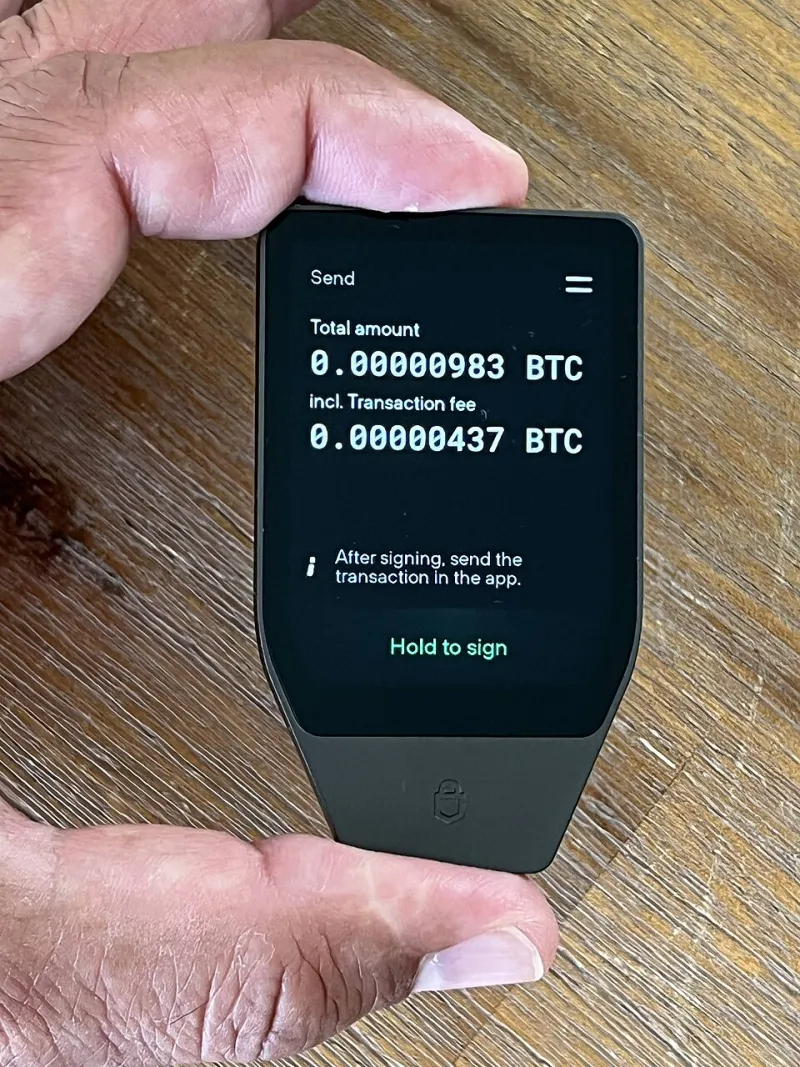
Many blockchain-based gaming platforms market themselves aggressively on the basis of low or negligible transaction fees. On networks like Solana or certain Layer 2 Ethereum solutions, gas costs can be a fraction of a cent. This is a legitimate technical achievement, and it does reduce friction for casual players placing modest wagers.
The problem emerges when higher-volume players begin moving meaningful capital. At that scale, what matters is not the cost of initiating a transaction but the quality of its execution. Specifically, the depth of liquidity available at the moment a wager is placed — and the degree to which large positions move the effective odds — becomes the dominant cost factor.
This phenomenon, familiar to anyone who has traded equities or crypto assets in size, is called slippage. On thinly capitalized platforms, a large wager can shift the available odds or payout structure in real time, meaning the player receives materially worse terms than what was displayed when the bet was initiated. The transaction fee may read as $0.002. The slippage cost on a $50,000 wager, however, might represent hundreds of dollars in degraded execution — a cost that never appears as a line item.
Platform Liquidity as a Hidden Fee
Elite bettors at W88Pro VIP understand that liquidity is not a background feature of a platform. It is a core component of the true cost structure. A venue with deeper reserves and more sophisticated market-making infrastructure can absorb large wagers without distorting the terms offered. This is worth paying for.
Consider two hypothetical platforms. Platform A operates on a high-throughput blockchain and charges essentially nothing in fees. Its liquidity pools, however, are modest, and its odds engine is not designed to handle positions above a certain threshold without adjustment. Platform B charges a visible processing fee of 0.5% on each wager. Its liquidity architecture, however, is robust, and large bets are executed at the stated terms without degradation.
For a player placing a $500 recreational bet, Platform A is almost certainly the better choice on pure economics. For a VIP-tier player placing a $25,000 wager, Platform B may deliver a substantially superior net outcome despite the visible fee — because the 0.5% cost is dwarfed by the slippage savings on clean execution.
This is not a theoretical edge case. It is a practical reality that shapes where sophisticated American bettors choose to allocate their bankrolls.
The Role of Smart Contract Architecture
Beyond liquidity, the underlying smart contract design of a platform introduces its own cost considerations. Poorly optimized contracts — common on platforms that have prioritized speed to market over engineering rigor — can behave unpredictably under load. During high-traffic events, such as major NFL playoff games or championship boxing matches, these platforms may experience execution delays, failed transactions, or automatic reversion to less favorable terms.
When a transaction fails on a blockchain, the gas fee is typically still consumed. On a low-fee network, this is a minor irritant. But the compounding effect of failed transactions during peak windows — precisely when a VIP player may want to move quickly — represents a meaningful drag on performance over time.
Platforms that invest in smart contract auditing, redundant execution pathways, and robust infrastructure during high-demand periods often carry higher baseline costs. Those costs, for the discerning bettor, are not overhead. They are the price of reliability.
Withdrawal Architecture and the Final Mile Problem
Another dimension of platform economics that frequently escapes casual analysis is the withdrawal structure. A platform may charge nothing to place a wager but impose meaningful friction — in the form of fees, delays, or conversion costs — when a player attempts to extract winnings.
Some platforms settle in native tokens that carry their own volatility risk during withdrawal processing windows. Others impose minimum withdrawal thresholds that effectively lock small gains in place until they accumulate to a qualifying amount. Still others route withdrawals through intermediary wallets that introduce additional conversion steps and their associated costs.
For a player primarily focused on the advertised fee at the point of entry, these exit costs can come as an unpleasant surprise. For a VIP-level bettor conducting proper due diligence before committing capital, they are a critical part of the total cost calculation.
Why Elite Players Pay for Execution Quality
The broader principle at work here is one that experienced investors in any asset class recognize: optimizing for the wrong variable produces suboptimal outcomes. In equity markets, retail traders frequently gravitate toward zero-commission brokerages without accounting for payment-for-order-flow arrangements that degrade execution quality on larger trades. The dynamic in crypto gaming is structurally similar.
The most effective approach for VIP-tier players is to evaluate platforms on total cost of engagement — a composite metric that incorporates visible fees, slippage exposure, smart contract reliability, withdrawal friction, and the quality of customer infrastructure available when things go wrong. A platform that scores well on this composite measure may carry a higher visible fee than its competitors. It will, in most cases, deliver better net returns for players operating at meaningful scale.
This is not a dismissal of low-fee platforms. For certain use cases and certain bet sizes, they represent genuine value. The strategic error lies in treating fee minimization as a universal principle rather than a context-dependent tool.
Applying the Framework at W88Pro VIP
For players engaged with W88Pro VIP, the takeaway is practical. Before committing to a platform or a wagering strategy, conduct a full economic audit of the environment you are operating in. Identify the liquidity depth available for the wager sizes you intend to place. Understand the smart contract execution model and how the platform performs under peak load. Review the withdrawal architecture with the same scrutiny you would apply to the deposit process.
The most profitable players are not those who find the cheapest venue. They are those who find the most efficient one — and those are rarely the same thing.
In crypto gaming, as in most sophisticated financial activities, the visible number is rarely the whole story. The players who understand that distinction are the ones consistently positioned to win.